Introduction
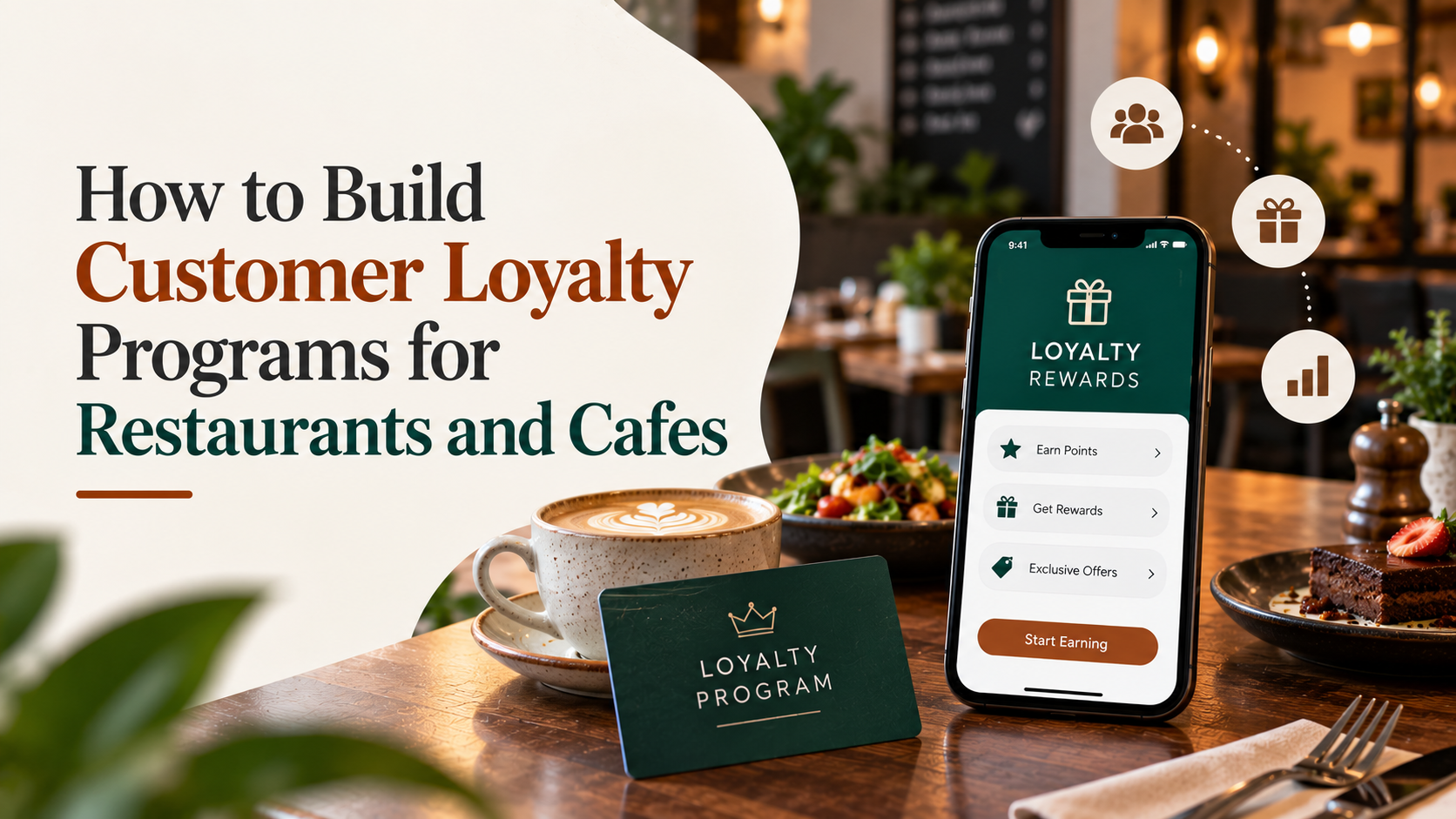
Many restaurant loyalty programs get a burst of sign-ups and then quietly fade into irrelevance — punch cards forgotten in a wallet, app-based points never redeemed. A loyalty program only creates real value when it's designed around what actually motivates repeat visits, not simply implemented because competitors have one.
Keep the Structure Simple
Complicated tiered systems with confusing rules often see lower participation than simple, transparent structures — a free item after a set number of visits, or a straightforward points-per-rupee system customers can track without effort. Simplicity almost always beats sophistication in loyalty program design for F&B specifically.
Make the Reward Genuinely Motivating
A reward that feels trivial — a token discount too small to notice — fails to change customer behavior. Testing different reward structures and asking regular customers directly what would actually bring them back more often produces a program far more effective than guessing at what motivates people. This kind of customer experience design work connects to[ AyC's growth and operations practice](https://aaythamconsulting.com/craft), where the reward structure is treated as part of the customer journey rather than a bolt-on.
Personalize Where Possible
A loyalty program that remembers a customer's usual order, or offers a birthday treat, feels meaningfully more valuable than a generic points system, and this kind of personalization is now achievable even for smaller businesses through simple point-of-sale and CRM tools. This personal touch is often what turns a functional loyalty program into one customers genuinely enjoy using.
Measure Repeat Visits, Not Just Enrollment
A large number of loyalty program sign-ups means little if those members aren't visiting more often than non-members. Tracking actual repeat visit frequency and average spend for enrolled customers against the broader customer base is the real test of whether a loyalty program is working or simply adding administrative overhead. It's the same discipline behind judging any growth effort on outcomes rather than activity — an AyC engagement built around exactly this kind of measurement took one client to[ 5M+ reach, 500+ purchases, and 500% revenue growth](https://www.instagram.com/reel/DbVRH76iP3a/), because every stage of the funnel was tracked against the next, not just against sign-ups.
See[ our craft page](https://aaythamconsulting.com/craft) for more, or contact us to design a loyalty program for your business.
Turning Marketing Data Into Better Business Decisions
The most valuable outcome of good F&B marketing isn't the campaign itself, it's what the business learns from it. Tracking which dishes get the most engagement, which offers actually drive redemptions, and which channels bring in the highest-spending repeat customers gives an owner real information to guide menu decisions, pricing, and even which locations or day-parts deserve more operational focus. Too many F&B businesses treat marketing and operations as separate departments that rarely talk to each other, when in reality the marketing data — what customers respond to, when they visit, what they order after seeing a specific post — is some of the richest business intelligence a restaurant or cafe has access to. Building a simple habit of reviewing this data monthly alongside sales and kitchen performance turns marketing from a cost center into a genuine source of strategic insight for the wider business.
Conclusion
A customer loyalty program earns its place in a restaurant's marketing mix when it's simple, genuinely motivating, personalized where possible, and measured against actual repeat visits rather than sign-up counts alone. Programs designed this way turn occasional visitors into a stable, more predictable base of regulars.
This is where Aaytham Consulting starts every engagement. Our brand positioning and marketing practice makes sure the campaigns, content, and channels covered in this piece are amplifying a brand identity that's genuinely distinct and consistent, rather than throwing marketing spend at a brand that hasn't yet decided what it stands for.
We pair this with[ ](https://aaythamconsulting.com/craft)strategic planning, operations, and business consulting support, so marketing recommendations are grounded in what your kitchen, your staff, and your unit economics can actually sustain, not a generic social media calendar disconnected from the realities of running the business. Explore our[ craft page](https://aaythamconsulting.com/craft) for how we approach this work and our[ impact page](https://aaythamconsulting.com/impact) for real outcomes we've delivered.
If you're ready to turn marketing from a scattered set of posts and promotions into a system that reliably drives visits and repeat customers, we'd love to talk.[ Contact us](https://aaythamconsulting.com/contact?intent=client) to discuss your business specifically.