How to Use Social Media for Content Distribution
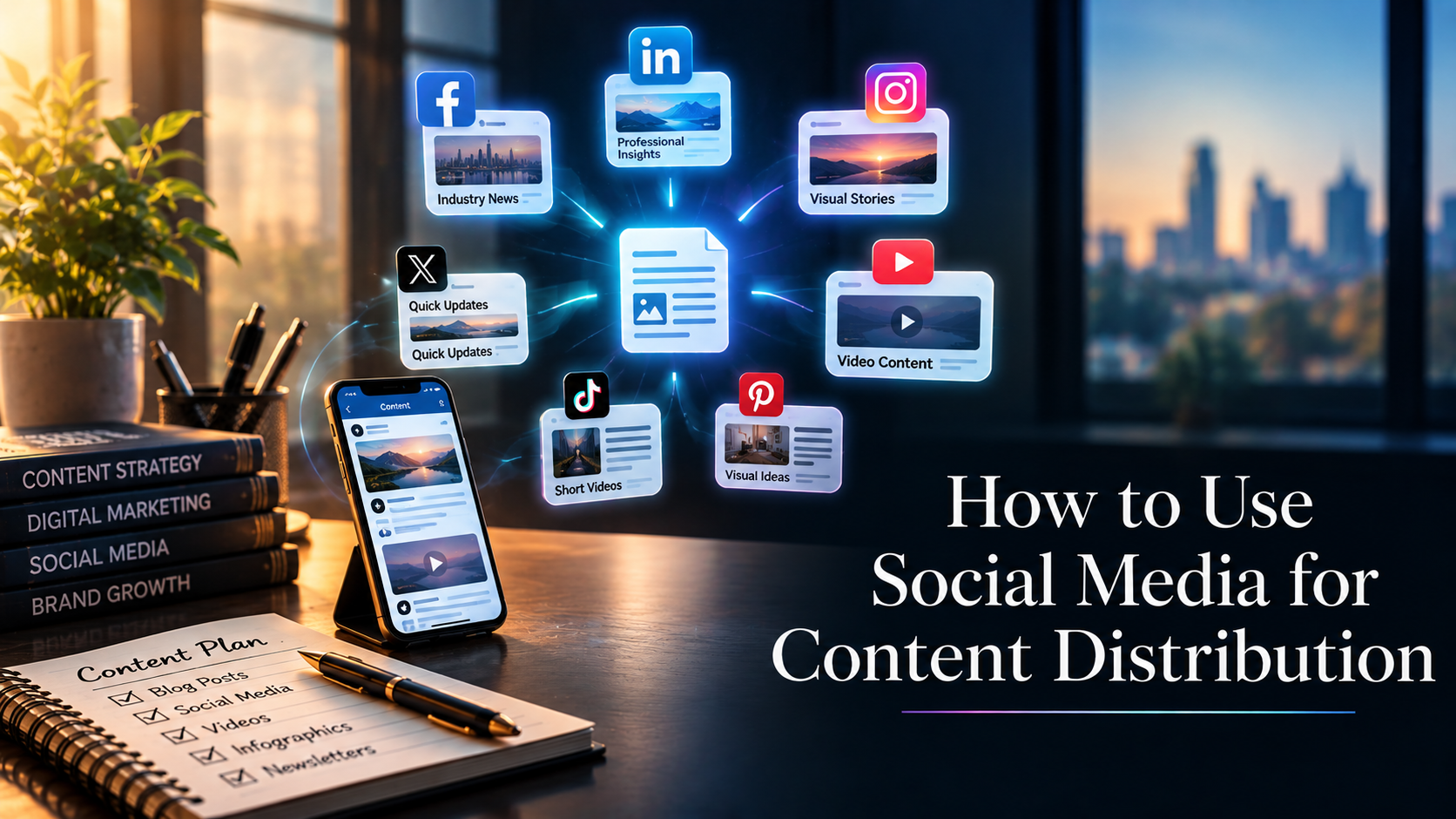
In the current digital environment, social media serves as a powerful tool for content distribution in addition to being a platform for sharing updates. Whether you're a business, blogger, or brand, using social media effectively can help you spread your message, increase engagement, and achieve your marketing goals.
This article explores the vital role social media plays in content distribution, along with practical strategies for creating engaging content, developing a smart distribution plan, and maximising reach across multiple channels.
Understanding the Importance of Social Media in Content Distribution
Social media has become a contemporary marketplace for ideas, stories, and brand narratives. It provides a direct channel to your target audience, allowing you to distribute content efficiently and receive feedback quickly.
Because these platforms are interactive, businesses can communicate with their audiences, understand their reactions, and adjust their strategies based on real-time insights.
However, there is significant competition for attention on social media because of the enormous volume of content published every day. To stand out, you need a well-planned strategy that goes beyond simply creating content and focuses on distributing it effectively.
Effective Content Creation: The Foundation of Your Social Media Strategy
Successful content distribution begins with valuable content.
Your content should connect with your audience, solve problems, provide useful information, or entertain them. A strong distribution strategy cannot compensate for content that fails to provide value.
Understanding Your Audience
The first step in creating effective content is understanding your target audience.
Ask questions such as:
- Who are your ideal customers?
- What problems do they face?
- What interests them?
- What information are they searching for?
- Which social platforms do they use?
- What type of content do they prefer?
Audience research and analytics can provide insights into demographics, interests, behaviour, and content preferences.
These insights help you create content that speaks directly to your audience and increases the likelihood of engagement and sharing.
Creating Engaging Blog Content
Blogging remains an effective way to create content that can later be distributed across social media.
Consider the following strategies when creating blog content:
- Solve Problems: Identify common challenges faced by your audience and create content that provides practical solutions. Useful content is more likely to be shared and can help establish your brand as an authority.
- Use Attention-Grabbing Headlines: Your headline is often the first thing potential readers see. Create headlines that are clear, concise, relevant, and compelling.
- Include Visuals: Images, infographics, and videos can make blog posts more engaging and easier to consume. Visual assets can also be repurposed for social media platforms.
- Encourage Interaction: Ask questions, invite comments, and encourage readers to share their opinions. This can increase engagement both on your website and social media channels.
- Optimise for Search Engines: While audience value should remain the priority, SEO can improve the discoverability of your content. Use relevant keywords, internal links, descriptive meta information, and useful content structure.
Developing a Content Strategy for Social Media Distribution
Once you have high-quality content, the next step is developing a strategy for distributing it.
A content strategy acts as a roadmap for creating, publishing, distributing, and managing content to achieve specific marketing objectives.
Define Your Goals
Start by defining what you want your content distribution strategy to achieve.
Common goals include:
- Increasing brand awareness.
- Driving website traffic.
- Generating leads.
- Increasing engagement.
- Building an online community.
- Supporting sales.
- Improving customer retention.
Your goals will influence the type of content you create and the channels you use.
Develop a Content Calendar
A content calendar is an important tool for maintaining consistency.
When developing your calendar, consider:
- Frequency: Determine how often you will publish on each platform. Consistency is important, but quality should not be sacrificed for quantity.
- Timing: Identify when your audience is most active and use analytics to test optimal publishing times.
- Content Types: Use different formats to keep your audience engaged. These may include videos, blog posts, polls, infographics, carousels, stories, and short-form content.
Tailor Content for Different Platforms
One of the most common mistakes in social media marketing is publishing identical content across every platform without considering the characteristics of each channel.
Instead, adapt your content to the platform.
- Facebook: Use engaging captions, links, images, videos, and community-focused content.
- Instagram: Focus on high-quality visual content, concise captions, Reels, Stories, and other visual formats.
- X: Keep messages concise and timely. Use relevant hashtags and engage directly with followers.
- LinkedIn: Share professional, educational, and industry-specific content such as insights, case studies, and thought leadership.
- Pinterest: Create visually appealing pins that link back to relevant articles, resources, or product pages.
The core idea can remain the same, but the format and presentation should match the expectations of each audience.
How to Create Content That Encourages Sharing
Effective social media distribution is not just about publishing content. It is also about encouraging your audience to distribute it for you.
The more people share useful content, the greater its potential reach.
Provide Value
People are more likely to share content they find useful.
Your content could educate, inspire, entertain, or help someone solve a problem. Examples include:
- How-to guides.
- Checklists.
- Infographics.
- Industry insights.
- Educational articles.
- Original research.
Make It Emotionally Resonant
Emotionally engaging content can be highly shareable.
Stories that create feelings such as happiness, surprise, inspiration, or empathy can encourage audiences to engage and share.
Storytelling can be particularly effective when it reflects the experiences, challenges, and values of your target audience.
Include a Call to Action
A clear call to action can encourage users to take the next step.
Depending on your objective, this could include asking users to:
- Share the post.
- Comment with their opinion.
- Tag someone who may find it useful.
- Visit your website.
- Download a resource.
- Subscribe to your newsletter.
Optimise for Mobile
A significant amount of social media consumption takes place on mobile devices.
Make sure your content is easy to read and interact with on smaller screens. Images should be clear, videos should work well on mobile, and text should be easy to scan.
Leverage Influencers and Partnerships
Influencer partnerships can help businesses introduce their content to relevant audiences.
Choose creators whose audience, values, and content style align with your brand.
Partnerships with complementary businesses and content creators can also support cross-promotion and expand your reach.
Measuring the Success of Your Content Distribution Efforts
Measuring performance is essential for understanding whether your content distribution strategy is working.
Track metrics such as:
- Engagement.
- Shares.
- Website traffic.
- Click-through rates.
- Leads.
- Conversions.
- Follower growth.
These metrics can help identify which platforms and content formats are producing the strongest results.
Google Analytics
Google Analytics can help you understand how visitors reach and interact with your website.
Important metrics to monitor include:
Traffic Sources: Identify which social media platforms are generating the most website traffic.
Engagement: Analyse how visitors interact with your website after arriving through social media.
Conversions: Track how many visitors complete desired actions, such as submitting a form, making a purchase, or subscribing to a newsletter.
By connecting social media activity with website outcomes, you can better understand the business impact of your content distribution efforts.
Continuous Improvement: Refining Your Content Distribution Strategy
Content distribution is an ongoing process rather than a one-time activity.
Regularly review your analytics to identify patterns, successful content formats, and opportunities for improvement.
Experiment with:
- Different content formats.
- Publishing schedules.
- Headlines.
- Visual styles.
- Calls to action.
- Distribution channels.
- Audience segments.
Testing different approaches can reveal what resonates most strongly with your audience.
It is also important to stay aware of changes in social media platforms, audience behaviour, and content trends. Social platforms continuously evolve, so strategies that work today may require adjustment in the future.
The key to maintaining a successful distribution strategy is flexibility and continuous optimisation.
Common Mistakes to Avoid
Publishing the Same Content Everywhere
Each social platform has its own audience expectations and content formats. Adapt your content instead of simply copying and pasting the same post.
Focusing Only on Reach
Large reach numbers do not necessarily translate into business results. Track meaningful metrics such as engagement, traffic, leads, and conversions.
Ignoring Your Audience
Content should be based on audience needs and interests rather than simply what the business wants to promote.
Inconsistent Publishing
Irregular publishing can make it difficult to build momentum. A realistic and sustainable content calendar is better than publishing large volumes of content sporadically.
Conclusion
Social media is a powerful way to distribute content, expand your audience, and amplify your brand message.
The most effective approach combines valuable content creation with a clear distribution strategy. Understand your audience, define your goals, create a consistent content calendar, tailor content to each platform, and encourage users to engage and share.
Most importantly, measure your results and continuously refine your approach.
With the right strategy, social media can become a core part of your content distribution system, helping increase visibility, drive traffic, strengthen engagement, and support long-term business growth.