
Introduction
For an F&B brand, the product itself is only part of what a customer experiences. Packaging, plating, interior design, staff uniforms, and the physical flow of an outlet all combine into a single impression that either reinforces the brand or quietly contradicts it. This post looks at how these physical, tangible elements function as brand assets in their own right.
Packaging as a Silent Brand Ambassador
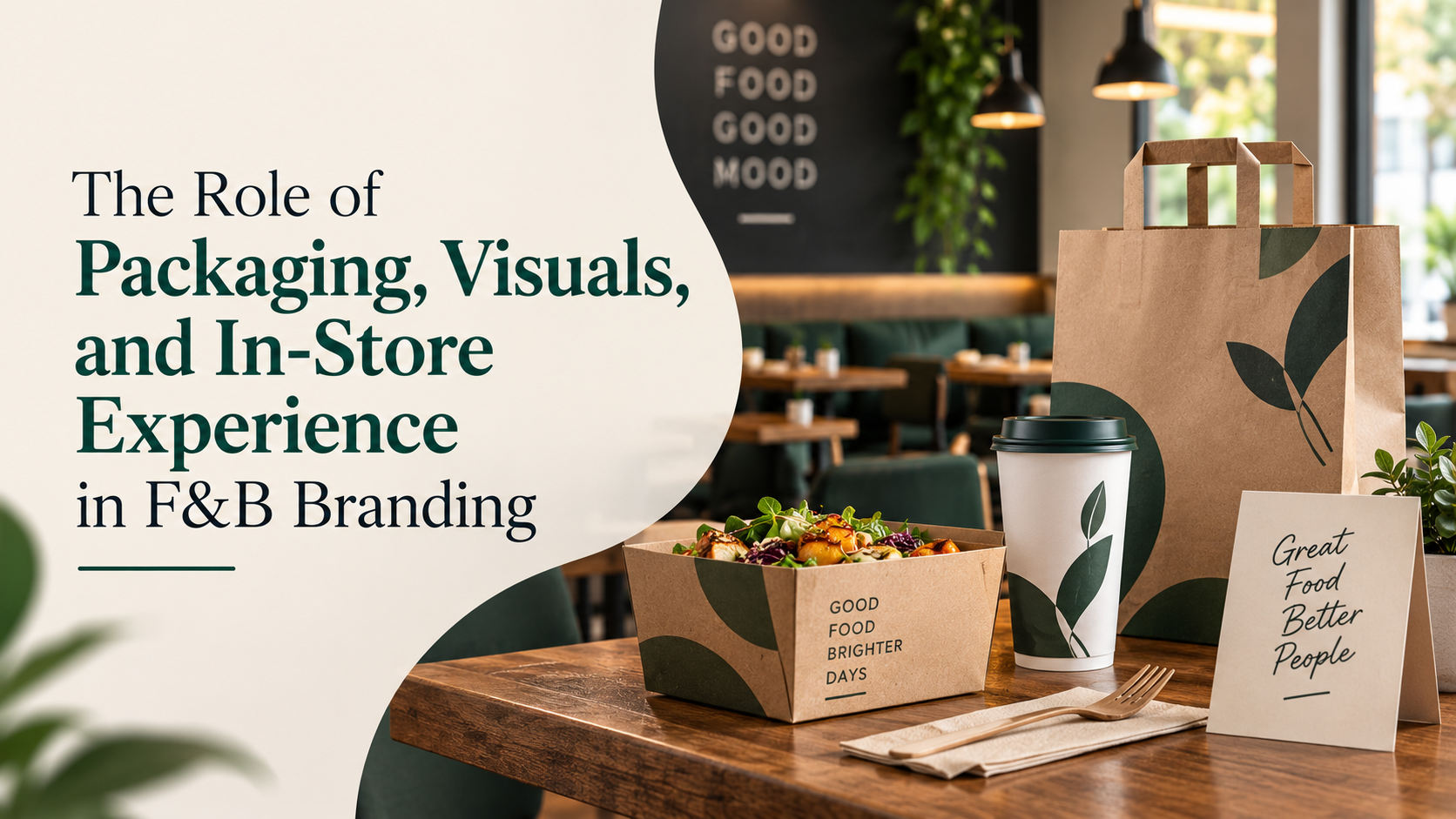
For delivery-heavy F&B businesses especially, packaging is often the only physical brand touchpoint a customer experiences directly, since they may never visit the outlet itself. Packaging that looks like an afterthought, generic containers with a small sticker, undercuts even the strongest social media presence, while thoughtful packaging can turn a routine delivery order into a moment customers photograph and share unprompted.
Plating and Presentation
How food is plated communicates positioning as clearly as pricing does. Careful, deliberate plating signals a premium or elevated experience, while casual, generous plating signals comfort and value. Inconsistency here, where plating varies significantly between visits or between staff, undermines the sense of quality control a strong brand depends on.
This kind of consistency work sits within our broader brand positioning and marketing practice.
The In-Store Experience Has to Match the Marketing
Polished photography and social media content set expectations that the physical outlet then has to meet. A gap between a beautifully styled Instagram feed and a cluttered, inconsistent in-store experience creates disappointment that shows up directly in reviews. Outlet standardization, consistent layout, lighting, cleanliness, and staff presentation across every location, protects the brand promise the marketing has already made.
Multi-Outlet Consistency
For F&B brands operating more than one location, maintaining consistent packaging, plating, and in-store experience across outlets is one of the hardest and most important brand disciplines to get right. Documented standards, regular audits, and clear accountability at the outlet-manager level are what typically separate brands that scale successfully from ones that dilute their identity as they grow.
See our[ impact page](https://aaythamconsulting.com/impact) for how this discipline plays out across engagements, or get in touch via[ contact](https://aaythamconsulting.com/contact).
Making the Brand Work Across a Growing Business
Brand identity that works for a single outlet often gets stretched thin the moment a business adds a second location, a delivery-only dark kitchen, or a retail packaged product line. Each new format tests whether the brand's core identity was ever specific enough to travel, or whether it only ever worked because one founder was physically present to hold the standard. Businesses that document their brand identity properly, tone of voice, visual system, plating and packaging standards, non-negotiable experience elements, give every new outlet, hire, or channel a clear reference point instead of relying on institutional memory that walks out the door when a key team member leaves. This documentation does not need to be elaborate to be useful; a concise brand guide that a new store manager or kitchen lead can actually read and apply is worth far more than an exhaustive one nobody opens. The businesses that scale their identity successfully tend to treat brand guidelines the same way they treat recipes: written down, tested, and revisited as the business learns what actually works in the field.
Conclusion
Packaging, visuals, and in-store experience are not secondary to an F&B brand, they are where the brand promise is tested every single day. Getting these physical details right, and keeping them consistent across every outlet, is often what separates a brand customers trust from one that only looks good in marketing photos.
This is exactly the gap[ Aaytham Consulting](https://aaythamconsulting.com/) exists to close. Our[ brand positioning and marketing](https://aaythamconsulting.com/building-brand-identity-crafting-your-unique-presence/) practice takes a founder's instinct about what their business should feel like and turns it into a documented, repeatable brand system: one that a new hire, a new outlet, or a new channel can pick up and execute consistently, without needing the founder in the room.
We do not treat branding as a standalone design exercise. Because our work sits alongside strategic planning and operations and broader business consulting, we build brand identity work that is actually deliverable by the team and systems a business has today, not a beautiful brand book that quietly falls apart the moment it meets real-world constraints. See our[ craft](https://aaythamconsulting.com/craft) page for how we structure this work, our[ impact](https://aaythamconsulting.com/impact) page for the results it has produced for clients, and our[ journey](https://aaythamconsulting.com/journey) page to understand how we approach a new engagement from the very first conversation.
If your F&B brand's identity has started to feel disconnected from where you actually want the business to go, that is precisely the gap we help close.[ Get in touch](https://aaythamconsulting.com/contact) to talk through where your brand stands today and what a properly aligned brand identity could look like for your business.