
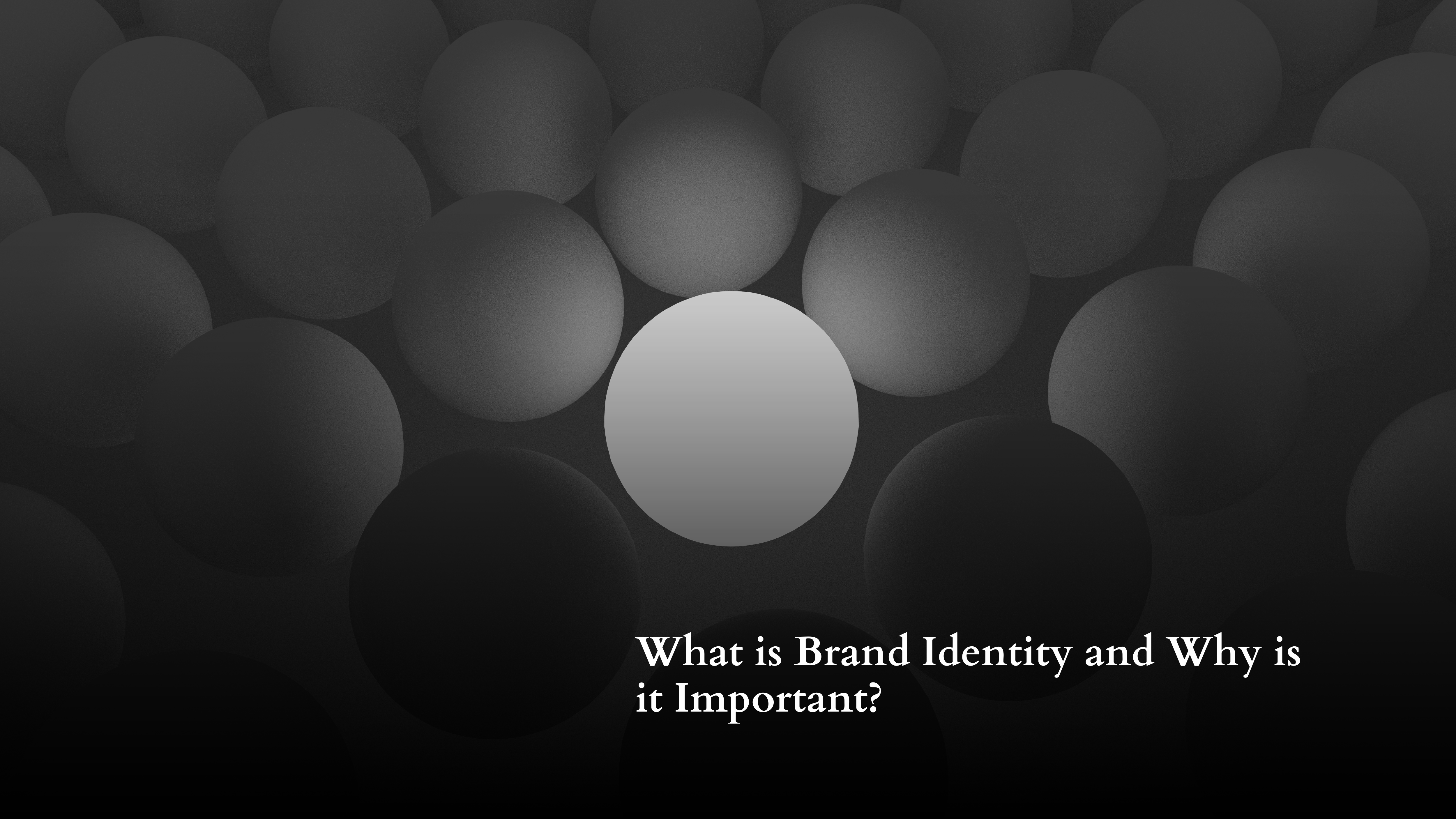
What is Brand Identity and Why is it Important?
In today's competitive business environment, standing out is no longer optional—it's essential.
With countless businesses competing for attention, products and services alone may not be enough to create a lasting impression. A strong and distinctive brand identity helps businesses become recognisable, memorable, and meaningful to the people they want to reach.
But what exactly is brand identity, and why does it matter?
Brand identity is the collection of elements that shape how people see, experience, and remember your business. It goes beyond a logo or colour palette. It includes your visual identity, communication style, personality, values, and the overall experience you create for customers.
When developed strategically and used consistently, a strong brand identity can help build trust, recognition, loyalty, and long-term business value.
What Is Brand Identity?
Think of brand identity as the personality of your business.
It is everything your customers see, hear, and experience when they interact with your brand—from your logo and colour scheme to the tone of your messaging, the design of your website, and the way your team communicates.
Simply put, brand identity is how a business presents itself to the world.
However, it is not just about appearance.
A strong brand identity communicates:
- What your business stands for.
- What values guide your brand.
- What makes you different.
- Who you are trying to serve.
- How you want people to feel when they interact with your business.
When these elements work together, they create a cohesive experience that helps customers understand and remember your brand.
Key Elements of a Strong Brand Identity
A strong brand identity is built from multiple elements working together consistently.
1. Logo
Your logo is one of the most recognisable visual elements of your business.
It often acts as the face of the brand and can become a quick visual cue that helps customers identify you. An effective logo should be relevant to the brand, easy to recognise, and flexible enough to work across different platforms and formats.
However, a logo alone is not a brand identity. It is one part of a much larger system.
2. Typography
The fonts you choose can influence how your brand is perceived.
Typography can make a brand feel modern, traditional, playful, premium, professional, or bold. Using a consistent typographic system helps create visual familiarity across your website, social media, advertising, presentations, and other communication materials.
3. Colour Palette
Colours play an important role in creating recognition and shaping perception.
Different colours can create different associations depending on context, culture, and execution. A consistent colour palette helps create visual coherence and makes the brand easier to recognise across different touchpoints.
The goal is not simply to choose colours that look good. The colours should support the personality and positioning of the brand.
4. Visual Style
Your visual identity extends beyond logos, fonts, and colours.
It also includes the style of photography, illustrations, graphics, layouts, icons, and other design elements associated with your business.
Whether a brand is minimal, expressive, premium, playful, or bold, its visual style should remain consistent enough for customers to recognise it over time.
5. Tone of Voice
Every brand communicates in a particular way.
Some brands are professional and authoritative. Others are friendly, conversational, humorous, or aspirational.
Your tone of voice should reflect the personality of your brand and remain reasonably consistent across emails, websites, social media, advertising, and customer communication.
A strong visual identity combined with an inconsistent voice can create confusion. Both should work together to reinforce the same brand personality.
6. Your Brand Story
A brand story explains who you are, what you do, why you exist, and why your work matters.
A compelling story can help customers connect with a business beyond the products or services it sells. It gives people context and can create a stronger emotional connection with the brand.
The most effective brand stories are not simply about the company. They connect the purpose of the business with the needs, aspirations, or experiences of the audience.
Why Market Research Is Important
Before building an effective brand identity, businesses need to understand the environment in which the brand will operate.
Market research helps organisations understand their target audience, customer expectations, competitors, and broader market trends.
Without this understanding, businesses risk creating an identity based entirely on internal assumptions.
1. Know Your Audience
Understanding your customers is one of the foundations of effective branding.
Research can help identify:
- Customer needs and pain points.
- Values and priorities.
- Interests and behaviours.
- Purchase motivations.
- Expectations from businesses in your category.
These insights can help shape a brand identity that feels relevant to the people the business wants to reach.
For example, if a target audience places significant importance on sustainability, the brand may need to consider how its values, messaging, products, and experiences genuinely reflect that priority.
2. Understand the Competition
Studying competitors helps businesses understand how the market is currently positioned.
This can reveal:
- Common messaging and visual patterns.
- Overused claims.
- Gaps in the customer experience.
- Opportunities for differentiation.
The goal is not to copy competitors. It is to understand the landscape well enough to identify a position that is distinct and meaningful.
3. Stay Relevant to Changing Markets
Customer expectations and market conditions change over time.
New technologies, cultural shifts, and changing consumer behaviour can all influence how brands are perceived.
Regular research helps businesses remain aware of these changes and make informed decisions about how their brand should evolve without losing its core identity.
Real-Life Examples of Strong Brand Identity
Apple
Apple is widely associated with simplicity, innovation, and premium design.
Its visual identity, product design, packaging, retail experience, and communication all work together to reinforce these associations. The consistency of these experiences has helped create strong recognition and customer loyalty.
Coca-Cola
Coca-Cola has maintained a highly recognisable identity through its distinctive visual language and communication around themes such as happiness, togetherness, and celebration.
While its campaigns have evolved over time, the core identity has remained familiar across generations.
Nike
Nike has built its identity around performance, ambition, and motivation.
Its Swoosh logo and Just Do It platform have become closely associated with the brand. Through consistent storytelling and communication, Nike has created a strong connection with audiences ranging from professional athletes to everyday fitness enthusiasts.
How a Strong Brand Identity Impacts Your Business
A well-developed brand identity can influence business performance in several ways.
1. Builds Recognition
A clear and consistent identity makes it easier for customers to recognise and remember your business.
Over time, repeated exposure to familiar visual and verbal elements can strengthen brand recall.
2. Establishes Trust
Consistency creates a sense of reliability.
When a business presents itself clearly and delivers a consistent experience, customers are more likely to understand what they can expect from the brand.
Trust can become an important foundation for customer retention and loyalty.
3. Differentiates You From Competitors
In crowded markets, many businesses offer similar products or services.
A strong identity helps communicate what makes your business different—whether that difference comes from your positioning, expertise, experience, values, or approach.
4. Encourages Customer Loyalty
Customers are more likely to remain connected to brands that they recognise, trust, and identify with.
When a brand creates meaningful emotional or functional value, customers may become repeat buyers and, in some cases, advocates for the business.
5. Supports Business Growth
A strong brand identity can provide a foundation for growth.
As a business expands into new products, services, or markets, a clear identity helps maintain consistency and gives customers something familiar to connect with.
A well-established brand can also make it easier to introduce new offerings because existing customers already understand and trust the business behind them.
Brand Identity Is More Than Design
One of the most common misconceptions about branding is that it begins and ends with visual design.
Design is important, but brand identity should be connected to a larger strategy.
A business should first understand:
- Its purpose.
- Its target audience.
- Its competitive environment.
- Its positioning.
- Its values.
- The experience it wants to create.
The visual and verbal identity should then help bring these ideas to life.
When strategy and execution are aligned, branding becomes more than an aesthetic exercise. It becomes a system that shapes how a business is perceived at every customer touchpoint.
Final Thoughts
Building a strong brand identity is not simply about creating a visually appealing logo or choosing an attractive colour palette.
It is about creating a cohesive and consistent experience that reflects who you are, what you stand for, and how you want your audience to perceive your business.
From visual design and communication to customer experience and storytelling, every interaction contributes to the overall perception of your brand.
In a competitive market, a strong brand identity can help businesses become more recognisable, build trust, differentiate themselves, and create lasting relationships with their customers.
Your brand identity is ultimately the way your business presents itself to the world.
The question is not whether people will form an impression of your brand. They will.
The real question is whether that impression is intentional.